Don’t Wait Until a Storm Exposes a Problem
In Houston, storms can develop quickly and bring high winds, heavy rain, hail, and flying debris. While many homeowners assume their roof is in good condition, hidden damage can leave your home vulnerable when severe weather strikes.
The truth is, most storm-related roof failures don’t happen because of the storm alone—they happen because existing roof problems were already present.
At Stallion Roofing & Solar Solutions, we’ve inspected countless roofs after storms and found that many costly repairs could have been prevented with an earlier inspection.
Here are five warning signs your roof may not survive the next major storm.
1. Missing, Cracked, or Curling Shingles
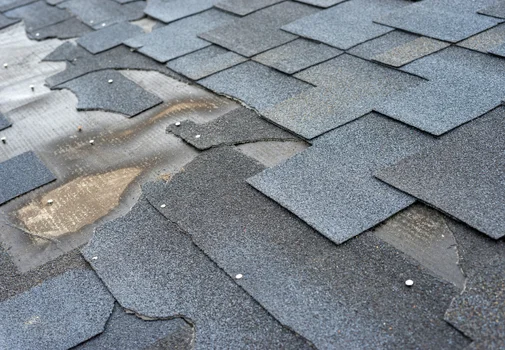
Your shingles are your roof’s first line of defense against wind and water.
Over time, exposure to Houston’s heat, humidity, and storms can cause shingles to:
- Curl at the edges
- Crack or split
- Become loose
- Go missing altogether
When strong winds arrive, damaged shingles can easily be torn away, exposing the underlayment and roof decking beneath.
Why It’s Dangerous
Even a small section of missing shingles can allow water to penetrate your roof system, leading to:
- Interior leaks
- Ceiling stains
- Mold growth
- Structural damage
What to Do
If you notice damaged shingles from the ground, schedule a professional roof inspection before storm season intensifies.

2. Water Stains on Ceilings or Walls
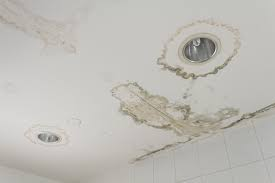
Water stains are one of the clearest signs that your roof may already be compromised.
Look for:
- Yellow or brown ceiling stains
- Bubbling paint
- Peeling drywall
- Moisture around windows and corners
Many homeowners ignore small leaks because they appear minor. However, even a small leak can indicate a larger roofing problem waiting to worsen during the next storm.
Why It’s Dangerous
Storm-driven rain can rapidly enlarge existing leaks, resulting in:
- Damaged insulation
- Mold growth
- Electrical hazards
- Costly interior repairs
What to Do
Any water stain should be investigated immediately, even if it appears dry.

3. Sagging Roof Areas
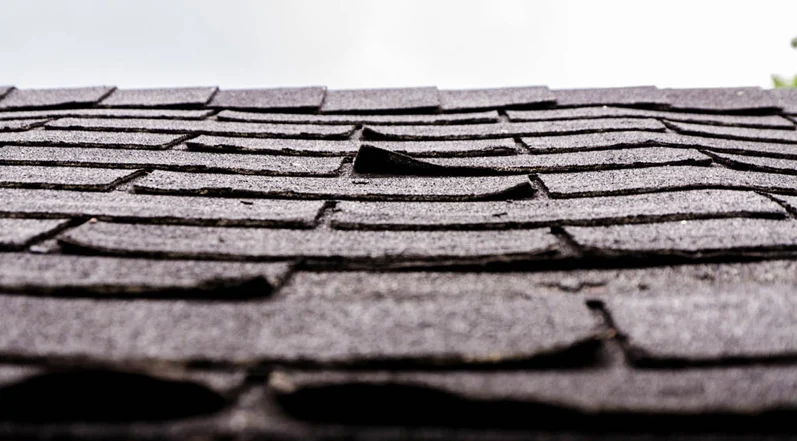
A roof should have straight, consistent lines.
If you notice areas that appear:
- Dipped
- Uneven
- Sagging
- Wavy
It may indicate structural issues beneath the surface.
Common Causes
- Water-damaged decking
- Rotting wood
- Excess moisture
- Aging roof materials
Why It’s Dangerous
A sagging roof is often a sign that part of the roof structure has weakened.
During a major storm, these weakened areas may be unable to handle:
- High winds
- Heavy rainfall
- Additional weight from water accumulation
What to Do
Structural issues should be evaluated by a roofing professional as soon as possible.

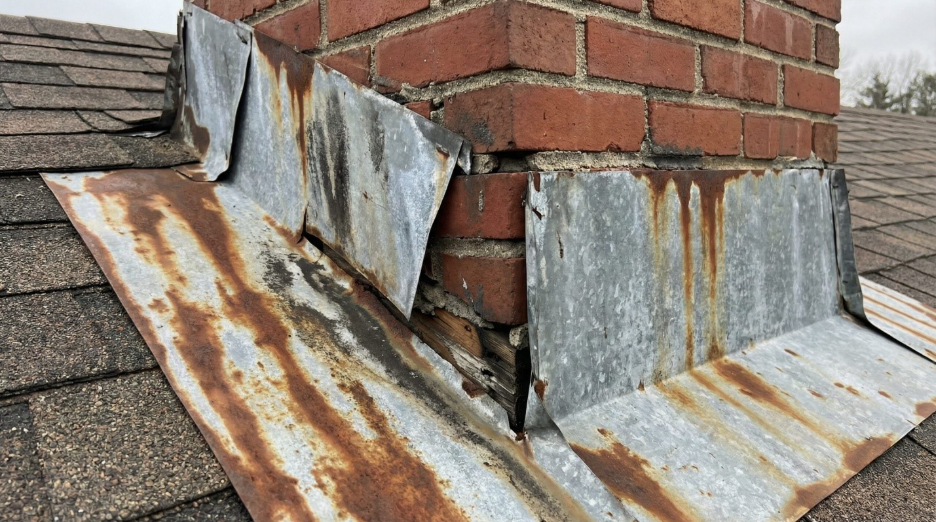
4. Damaged or Rusted Flashing
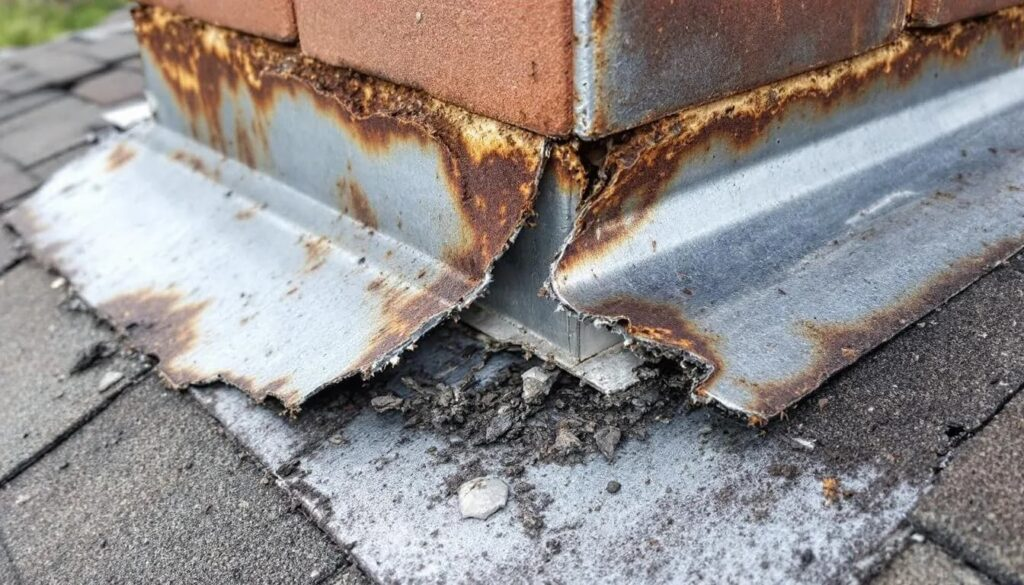
Flashing is the metal material installed around vulnerable roof areas such as:
- Chimneys
- Skylights
- Roof vents
- Plumbing penetrations
- Wall intersections
Its purpose is to prevent water intrusion.
Warning Signs
- Rust spots
- Bent metal
- Cracks
- Loose sections
- Missing sealant
Why It’s Dangerous
During a storm, damaged flashing becomes one of the most common entry points for water.
Many roof leaks begin around flashing—not the shingles themselves.
What to Do
Routine inspections can identify flashing problems before they lead to costly damage.

5. Your Roof Is More Than 15 Years Old
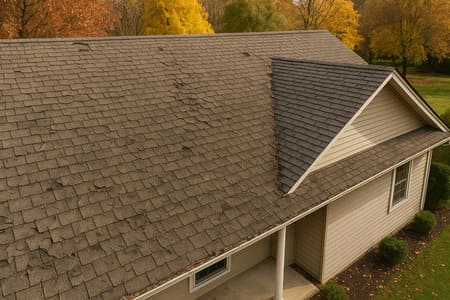
Age is one of the biggest predictors of storm-related roof failure.
Even if your roof looks fine from the ground, roofing materials naturally deteriorate over time due to:
- UV exposure
- Heat
- Humidity
- Seasonal weather changes
Signs of an Aging Roof
- Granule loss
- Fading shingles
- Increased repairs
- Curling edges
- Reduced wind resistance
Why It’s Dangerous
Older roofs are significantly more likely to experience:
- Wind damage
- Water intrusion
- Shingle blow-offs
- Storm-related insurance claims
What to Do
If your roof is approaching or exceeding 15 years old, consider a professional evaluation to determine its remaining lifespan.

Bonus Warning Sign: Your Neighbors Are Replacing Their Roofs
If several homes in your neighborhood have recently replaced their roofs due to storm damage, your roof may have experienced similar wear and tear.
Storm damage isn’t always obvious from the ground.
Professional inspections often reveal:
- Lifted shingles
- Hidden hail impacts
- Damaged flashing
- Compromised seals
before homeowners notice any visible problems.

Why a Roof Inspection Can Save You Thousands
Many homeowners wait until they see a leak before calling a roofing company.
Unfortunately, by that point, damage may already have spread to:
- Insulation
- Drywall
- Flooring
- Structural framing
A professional inspection can identify issues early, helping you avoid expensive repairs and unexpected emergencies.

Protect Your Home Before the Next Houston Storm
Storm season is unpredictable, but roof damage doesn’t have to be.
If you’ve noticed any of these warning signs, now is the time to act—not after a storm exposes a weakness in your roof.
At Stallion Roofing & Solar Solutions, we provide professional roof inspections to help Houston homeowners identify potential problems before severe weather strikes.
Schedule Your FREE Roof Inspection Today
📞 713-300-9936
Protect your home, your family, and your investment before the next storm arrives.